
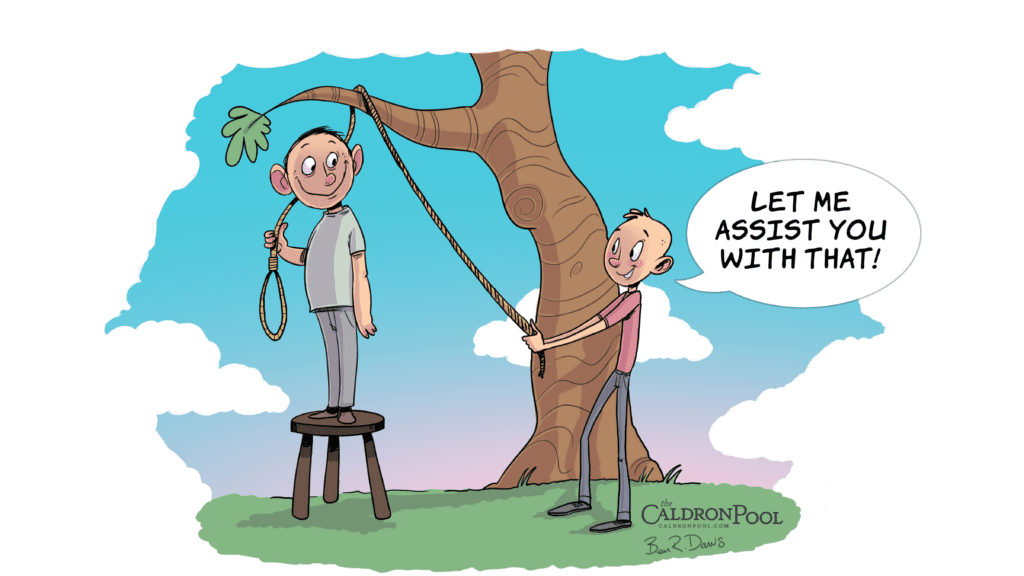
The issue of euthanasia, or assisted dying, is incredibly controversial and there are legitimate concerns on either side of the debate. Article 21 of the Constitution gives the right to life, but we can also interpret it as giving the right to take away our life. When the Supreme Court heard the challenge to the imposition of Emergency, it rejected the argument that in India, the right to life available to a citizen flows from Article 21 of the Constitution and that if such an Article were to be deleted or suspended, the citizen would have no right to his life under the law.
Euthanasia is categorized in different ways, which include voluntary, non-voluntary, or involuntary: Voluntary euthanasia is legal in some countries like, Australia, Belgium, Canada, Colombia, Luxembourg, The Netherlands, Switzerland, and the several US States. Non-voluntary euthanasia (when patients are incompetent) is illegal in all countries. And, Involuntary euthanasia (when patients are competent and made no request to die) is also illegal in all countries and is usually considered murder.
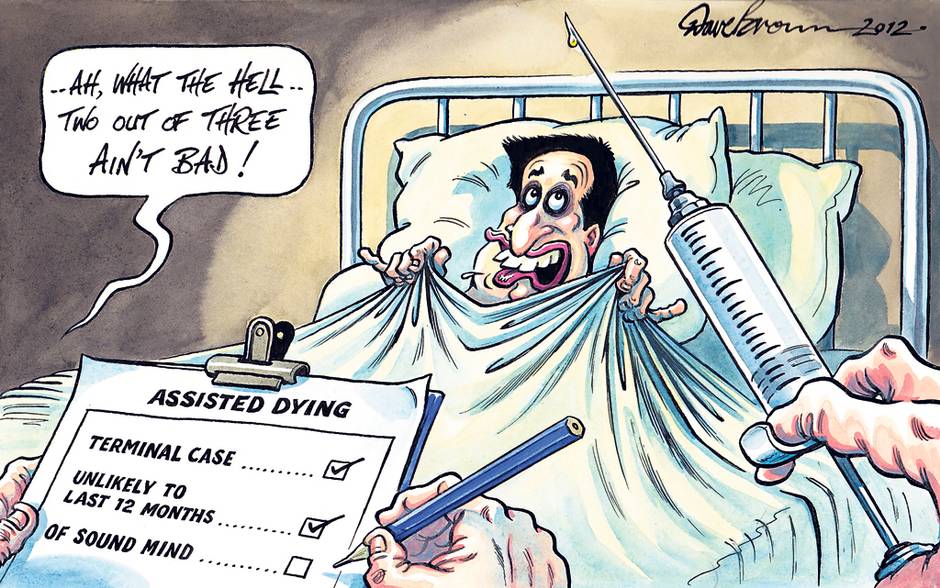
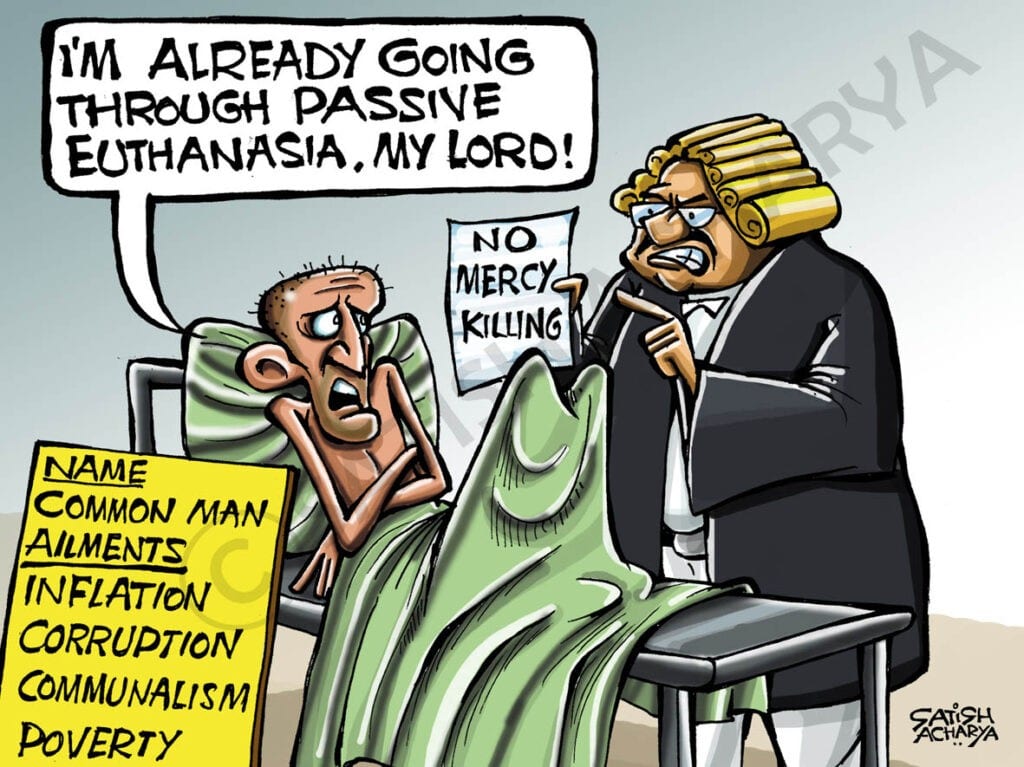
On 9 March 2018, the Supreme Court of India legalised passive euthanasia(withdrawing life support to induce death naturally) through the withdrawal of life support to patients in a permanent vegetative state. The decision was made as part of the verdict in a case involving Aruna Shanbaug, who had been in a Persistent Vegetative State (PVS) until she died in 2015. But, it generated a lot of debate, people have to bear in mind that Shanbaug was not in a position to take any decisions herself.
In the case of terminally ill patients who are provided with expensive health care, whose families know that the patients are unlikely to return to normalcy or near-normalcy, and provided the economic burden on the family and on society to treat these patients, euthanasia could be debated. But euthanasia for those who are mentally alert, though physically impaired, is a big no.
But on the other side, Considering, Narayan Lavate (88) and Iravati Lavate (78) from Maharashtra who said that they do not wish to be a burden on society in their old age and demonstrated that spending the country’s scarce resources on keeping them alive is a criminal waste, which again raises questions that whether Active Euthanasia (injecting legal drugs to induce death) could be considered, But since India does not allow active Euthanasia their request was unlikely to be headed. Moreover, one more prospect about Active Euthanasia is possible, which could be hazardous to humanity.
Euthanasia in that form cannot be allowed or legalised because the probability of its misuse — whether it is demanded property, money, or because of animosity among family members — is very high. Usually, such killings are classified as a homicide, and if the perpetrators are caught, they are punished. Envision the consequences of legalising this. There will be no limits to its abuse in India and elsewhere.
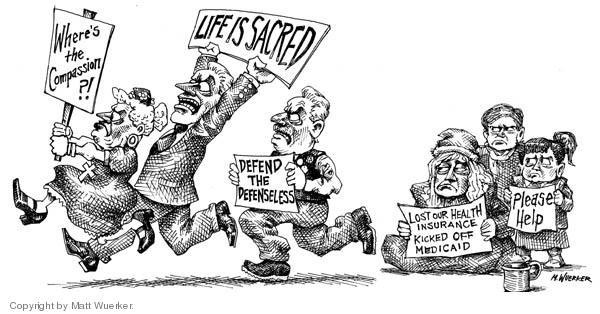
Countries like Canada have given legal recognition to the concept of a “living will”, where people lay down directives in advance on how they should be treated if they end up in a vegetative state. Now an important question before the courts is whether the law should allow living wills. If thought wisely, there is no wrong allowing the concept of living will because it will allow the patient to decide his own death, just like a property will allow the decision of Property distribution.
FAQs- Euthanasia
1. Is there an ethical difference between switching off life support, withdrawing futile treatment and voluntary euthanasia?
Yes. When life support is switched off or treatment is stopped, the person dies from their illness, from natural causes. When euthanasia is performed, a person dies from a lethal injection deliberately given to cause death. So to legalise voluntary euthanasia means making it legal for a doctor to intentionally kill a patient – A shift in medical ethics that has been established for thousands of years. Read Dr David Richmond’s article here.
2. What is physician-assisted suicide (PAS)?
This is the term used for the situation where a medical doctor prescribes lethal drugs for a patient who desires to commit suicide but doesn’t want to, or is unable to, end their own life without assistance. In the States of Oregon and Washington in the USA where physician-assisted suicide is legal, the patient is expected to self-administer the drugs. In practice, the person sometimes do so with help from relatives or from members of the local pro-assisted suicide lobby group.
3. What is the difference between ‘mercy killing’ and euthanasia?
‘Mercy killing’ is a euphemism for euthanasia. It implies that there are situations in which killing a person is a merciful act which ought not therefore lead to any legal repercussions for the perpetrators. Whilst suicide is not a felony under New Zealand law, assisting a person to commit suicide currently is. In practice, where people accused of euthanasia have plead ‘mercy killing’, the New Zealand Courts have been quite lenient in their sentencing.
4. Surely people should be able to control their own destinies and decide when and how they should die? Isn’t it a private matter?
It is a self-evident myth that people are able to have control of their lives and destinies. Changing fortune has a habit of arriving ‘out of the blue.’ Personal autonomy is not an absolute right: for the sake of harmony in society, everyone has to modify their behaviour and personal desires. As noted in the answer to question 6, what might be thought desirable for a tiny minority of people has the potential to put the lives of hundreds of thousands of others at risk. And voluntary euthanasia is no private matter: it is a public one in that at least two other people are involved in the process of vetting the patient, prescribing the lethal dose and administering it.
Sharing is Caring ❤️

A very controversial topic, loved the way you presented it without keeping your perspective into the blog, which is crucial for blog writing.
Do come up with more interesting topics!
I’d like to hear about homophobia from you! Waiting for more blogs!
Dear reader,
Thank you for your valuable feedback. We are happy to know that you liked our work. Your positive comments drives us to write more. We will surely consider your topic in coming blogs.
Finest nd amazing blog.
Good work keep it up ❤️❤️
Informative and Insightful
Wow! Good work on the blog. Looks like a well researched blog. FAQs are good too
Very good and honestly published blogs
Keep it up guys.