
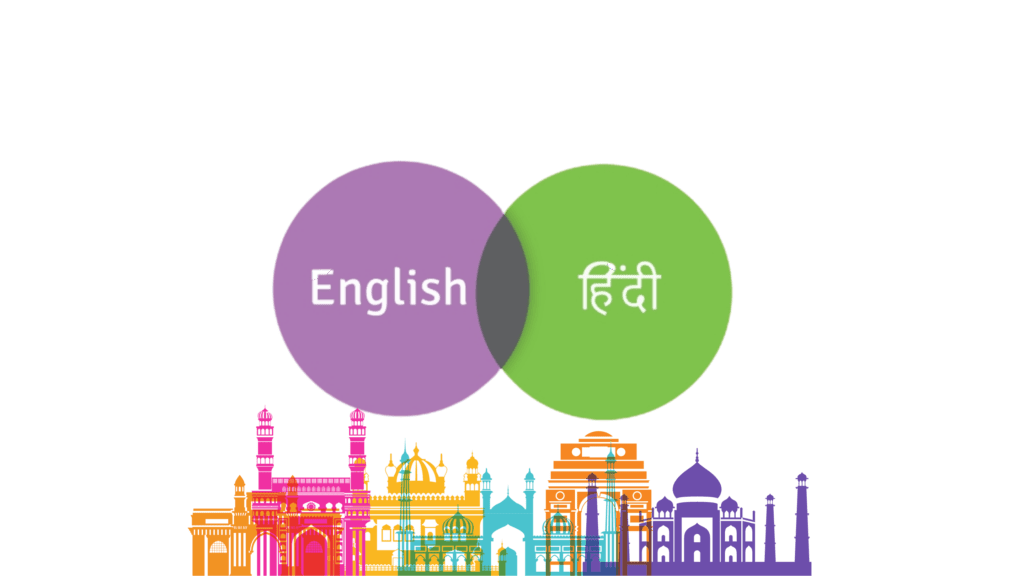
Believe it or not but India does not have one universal language. More than 19,500 languages are spoken in India as mother tongues, according to the latest analysis of a census. Additionally, there are 121 languages which are spoken by just 10,000 or more people in India, which has a population of 135 crores, interesting? Let’s find out more about India by digging deeper into its languages.

Hey Amigos, we are back with another interesting blog, and this time it is not just limited to the reading purpose but we are introducing our new feature and yes you guys assume it correctly and it’s written in today’s blog topic as well… its HINGLISH blogging.
CURIOUS? We are too, as we will be the first blogging and digital marketing website to launch such an amazing and out of the world feature in the market. We were thinking about this for quite a long time and now we are finally here and inaugurating this extraordinary feature along with this blog.
Now Curious Amigo has stepped into multi-language blogging in which you can read and write blogs in English as well as Hinglish (unofficial language) which is becoming intensely popular nowadays.
History of Hinglish
So if you are one of those who thinks Hinglish is born of social media and it is just 5 to 10 years old so my friend you are extremely wrong. Let Curious Amigos tell you the real facts and age of Hinglish.
Hinglish is not a new phenomenon, it is approximately 500 years old when the Britishers entered Bharat for trade purposes. Trade in the country can never be possible without Hinglish. Due to the cultural and language difference (Hindi for Indians, English for Britishers), there is a strong need for a common ground which gave birth to Hinglish until both Britishers and locals learn to speak each other languages, so it is complete justice to say that The British rule or raj in India was central to the genesis of Hinglish.
Probably one of the biggest languages you have never heard of with almost 350 million speakers worldwide, mostly in India.
Hinglish is even recognized by google and google offers a special Hinglish keyboard to feed all the Hinglish lovers like me. It seems like Hinglish is always there in our blood by seeing such a huge number of users.
We have found that while the hybrid language is not likely to replace English or Hindi in India in anyways recently, more people are fluent in Hinglish than they are in English.
India has the second-largest English-speaking population in the world. English fluency is socially prestigious and important for upward mobility. Hinglish is becoming more and more popular with each passing day in India now and it is growing at a phenomenal rate. According to Google, content in Hindi and Hinglish is growing at the rate of 94 per cent and the content in English is growing at a rate of just 19 per cent in India.
There is around 200 million WhatsApp users in India and if you are one of them so you would have probably experienced Hinglish at least once.
Companies using Hinglish for promotion
In the last six to seven years, digital advertising spends or expenses in India has increased by 500%!
Hinglish is now the broadcast language of choice for advertising in India. If you’re looking to export a product to the nation, Hinglish is the way to go and attract more audience.
According to us, there’s no one in India who hasn’t drink Pepsi… am I right? And you are probably aware of their unique advertisements which are entirely done in Hinglish now.

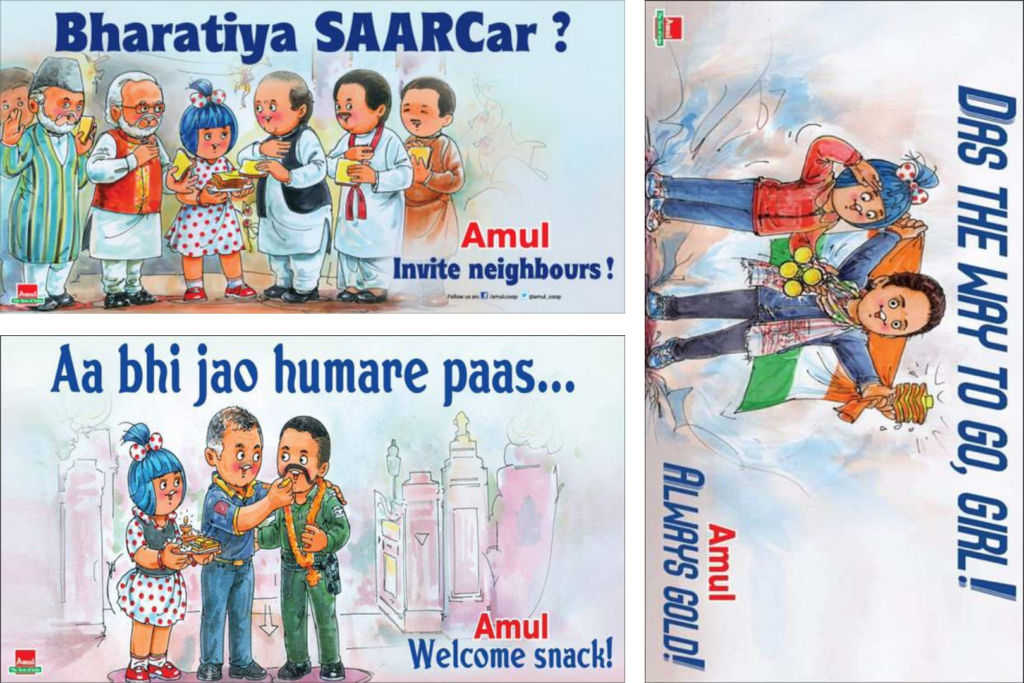
Moreover, our most loved butter which is offered by Amul is also in the race of Hinglish advertisement and they are amazingly successful in it. We all love those small cartoons offered by Amul in daily newspaper and magazine with an interesting Hinglish note on it… I personally feel more attachment with a thing if it’s in Hinglish as I do not need to do much effort in understanding that.
Present and future scenario
Hinglish is being modified ever since it first came into use by people. Hinglish has been modified more than any other language in the world. In the era of smartphones and shortcuts, everyone is looking for an easy alternative to existing languages, and Hinglish is the key to all of it. Today, more than 60 percent of Indians are using Hinglish for chatting on various social media platforms and they are quite happy using it due to its simplicity and flexibility.
We believe that Hinglish has even bigger growth potential in the future as the number of Hinglish users are increasing rapidly worldwide. This trend allows us to diversify into Hinglish blogging as we feel that it’s the need of time.
I would like to end this blog with a quote that I think is 100 percent suitable here.
All fixed set patterns are incapable of adaptability or pliability. The truth is outside of all fixed patterns.
Bruce Lee
Sharing is Caring💖

Hey Curious Amigos, i too use hinglish in my day to day life either for chatting or during brain storming ideas and jotting them, before starting any project. I feel more comfortable this way. Congrats for your new feature