
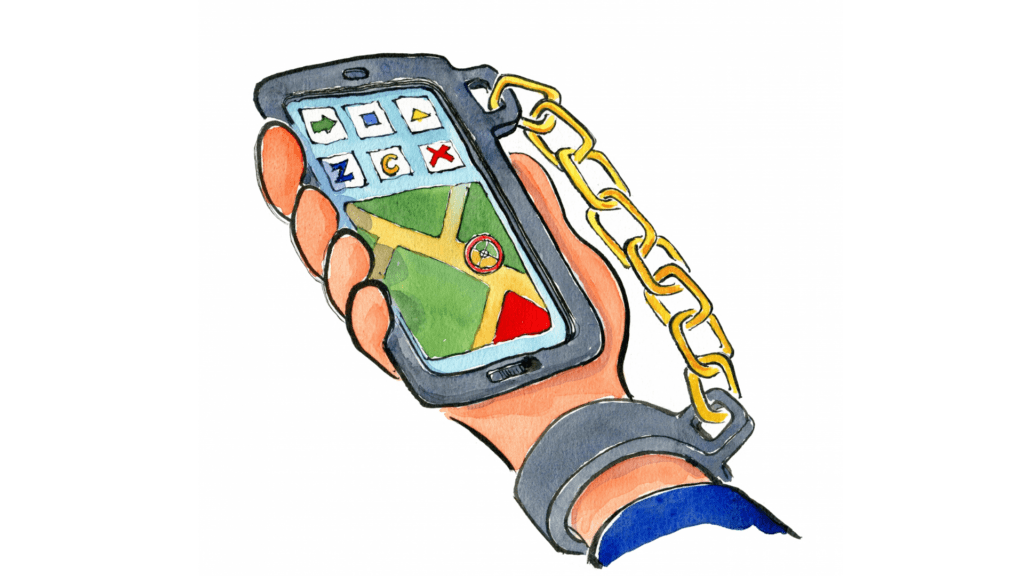
Hey Amigos! Welcome back. We guess you all have listened about hydrophobia (Phobia of Water), Acrophobia (Fear of Height), and even Autophobia (Fear of being alone). But can you imagine, there is a phobia on being separated from your phone. Basically, Nomophobia is an abbreviation of “no-mobile-phone-phobia”, or we call it as cell phone addiction.
We don’t know about you, but when we heard of it the first time, we were shocked. We have been studying about Phobias since Class 3rd, but this phobia never encountered to our hearing even at cognitive level till now. So, enhance our as well as our readers’ knowledge, we decided to write upon this topic.
What Is Nomophobia?
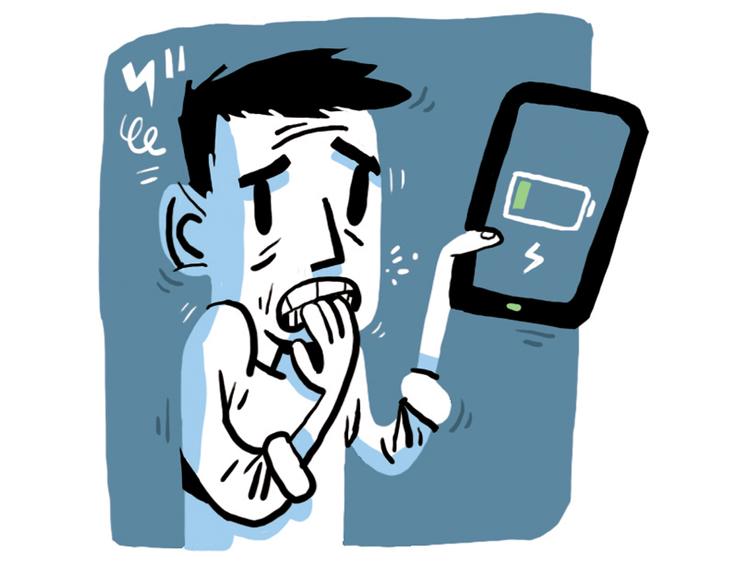
Have you ever found yourself getting anxious or even panicked when you couldn’t find your phone? Does the thought of being stranded in an isolated place with no cellular service fill you with a sense of dread? If so, you just might have some of the symptoms of nomophobia.
As quoted above, Nomophobia is an abbreviated form of “no–mobile-phone phobia.” The term was first coined in a 2008 study that was commissioned by the UK Postal Office. In a sample of more than 2,100 adults, the study indicated that 53% of participants experienced nomophobia. The condition is characterized by feelings of anxiety when people lose their phones, run out of battery life, or have no cellular coverage.
The study revealed that this fear can be so powerful that many people never turn off their phones, even at night or during times that they won’t be using their devices. When asked why they never turn off their phones, 55% cited a need to keep in touch with family and friends, 10% said they needed to be contactable for work reasons, and 9% reported that turning off their phones made them anxious.
The fear of missing out on something is perhaps what leads so many people to report that they would respond to a call or text even if they are in the middle of something else. The study revealed that people were often willing to interrupt life activities in order to respond to a call. Agree?
The majority of people (80%) were willing to answer a call while watching television, 40% would respond to a call while eating a meal, and 18% would be willing to answer the phone when they were in bed with another person.
This happens to almost everybody. So, are you having Nomophobia? To confirm, Let’s take a look over its Symptoms.
Symptoms
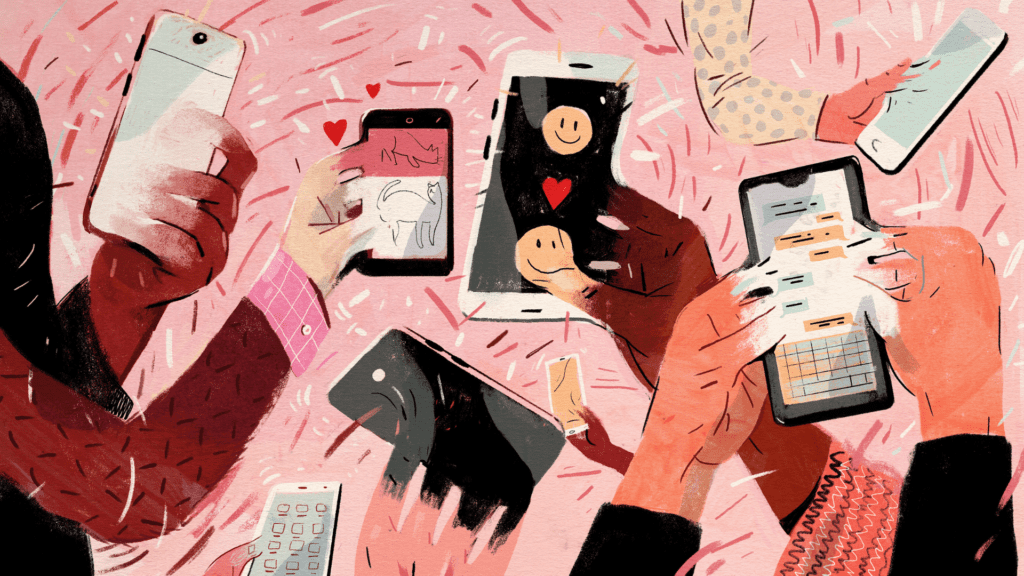
A phobia is a type of anxiety disorder that is characterized by an irrational fear of an object or situation. In this instance, the fear is of being without a phone or being out of the reach of cell phone service.
While nomophobia is not a clinical diagnosis, some of the symptoms that are commonly identified as related to this fear include:
- The inability to turn off your phone.
- Steadily checking your phone for WhatsApp Messages or other Social Media.
- Charging your battery even when your phone is almost fully charged.
- Taking your phone everywhere you go, even to the bathroom.
- Repeatedly checking your pockets and purses whether you have your phone with you.
- Fear of being without Wifi or a decline in cellular data.
- Skipping activities or planned events in order to spend time on the mobile device.
In addition to emotional and cognitive symptoms, people may also experience physical symptoms. People might have their Heart rate increased, sweat profusely, and they may shake or tremble. They may also begin to feel weak or dizzy. In extreme cases, these symptoms of panic can escalate into panic attacks.
Causes
Daily Task Usefulness
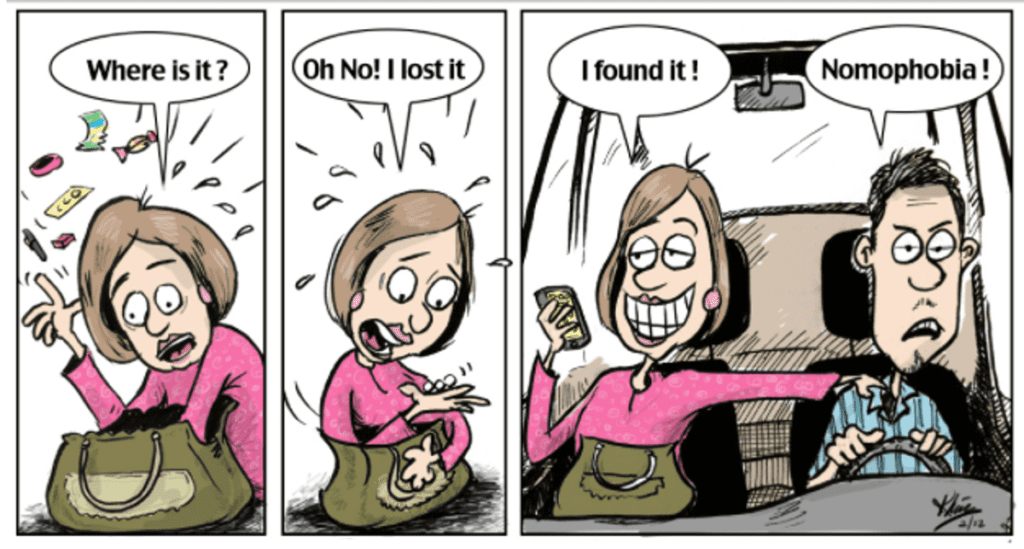
The usefulness of mobile devices plays a major role in this fear of being without one’s phone. Smartphones can do a lot; people use their phones to remain in touch, research their interests, do business, stay organized, share personal information, and manage money.
Because people are now turning to their phones to get so many important functions, it is perhaps not surprising that people are afraid of not having their devices. Not having the phone can leave people feeling lonely and isolated from important aspects of their lives including friends, family, work, finances and information.
Each day Usage
A 2014 study published in the Journal of Behavioral Addictions found that college students spend as much as nine hours per day on their cell phones.
Researchers suggest that the widespread use of cell phones reflects a paradox of technology. Smartphones can be an asset, but it can also become a liability if used for an anonymous period of time regularly. People are able to communicate, gather information, and engage, but at the same time, the use of cell phones can lead to unpredictable dependency and cause stress.
Familiarity With Technology
The National Institute on Drug Abuse for Teens suggests that this cell phone separation anxiety may be more common in teens and young adults. Gadgets are said to be their main companions, which means they were born and raised in the age of digital technology. Because of their early experience with computers, the Internet, and cell phones, these devices are often an integral part of everyday life.
Treatment
1. Turn off your cell phone at least an hour before bed
Give your brain a chance to relax and commit to turning off your phone an hour before bed. That means switching off, not just silent. That vibration and flashing light are still dangerous, as you know you’re just too far away to see the latest. Remember, nomophobia does not sleep and neither will you. No wonder so many of us are always tired, huh?
2. Stop shacking up with your phone
Get a real alarm clock (yes, you can still find these remnants of Stone Age). This will not only allow you to turn off your phone all night long (and unless you need to stay alert to a family member and have no landline), but instead of waking up to the temptation to see what you missed all night, you can spend it doing something productive, like exercising, meditation, etc.
3.Establish phone-free zones
We know we can’t be the only one who’s horrified that smartphones are disrupting people during intimate moments. With that said, designating certain places and times as phone-free zones is a great way to tackle nomophobia.
Dinner Table is a good spot to start with: Instead of browsing and chewing, you can become accustomed to sensible meals and engaging conversation. It can be a great opportunity for you to undergo what your parents underwent when they were of your age.
And please, just say no to phones in bed.
4.Engage in real human contact
Finally, instead of chatting all the time, try to mix-up in-person. Visit your friends, play some board games, or occasionally visit for coffee. This might be a great opportunity to get yourself away from your mobile phones and experience what we call nirvana!!
We’re social creatures who thrive on real human interaction. That’s something a smartphone just can’t replicate.
FAQs
1.Is Nomophobia common?
Nomophobia might not yet be classified as an official mental health condition. However, experts agree this issue of the technology age is a growing concern that can affect mental health. Nomophobia appears most common in young people, though many phone users experience some degree of symptoms.
2.How do you treat Nomophobia?
While there is no specific treatment for nomophobia, your therapist may recommend exposure therapy, cognitive-behavioural therapy, or both to address your symptoms. In some instances, your doctor may also prescribe some type of medication to address symptoms of anxiety or depression that you might be experiencing.
3.How many hours is phone addiction?
A 2017 analysis of multiple scientific studies found that people spent over four hours a day on their smartphones. That’s a part-time job – and a sizable chunk of the staggering 10.8 hours we spend daily in front of screens.
Sharing is Caring ❤️

To be honest i too cant live without my smartphone. I at least check my phon 500 times a day, LOL its me